

BLOG
What Is Biotechnology? Understanding the Field in Simple Terms
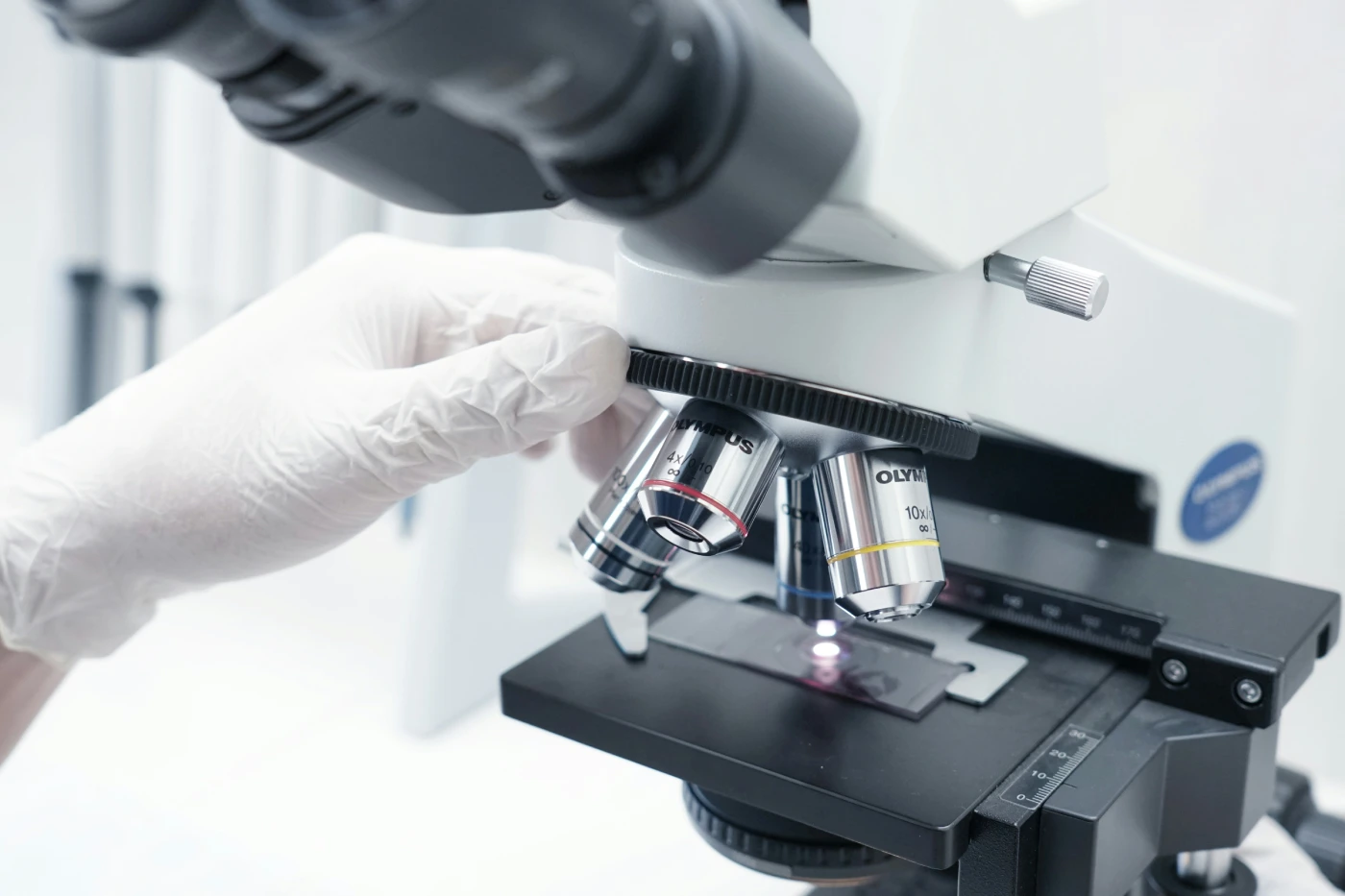
Biotechnology sounds newer than it is. Bread, curd, idli batter and beer all come from controlled use of living organisms, and people were doing that long before anyone named the field.
The working definition is straightforward: biotechnology is the use of living systems, or parts of them, to make products and solve problems. What changed over the last few decades is precision. Instead of relying on what an organism naturally does, we can now alter what it does.
The Main Branches of Biotechnology
The field is usually grouped by application, and the colour labels used in textbooks are a convenient way to keep them apart.
Medical Biotechnology
This is the branch most students hear about first. Insulin produced by engineered bacteria, vaccines, monoclonal antibodies, diagnostic kits and gene therapy all sit here. The Covid vaccines brought most of this work into public view within a single year.
Agricultural Biotechnology
Crop improvement through tissue culture, pest-resistant varieties, biofertilisers and drought tolerance. Bt cotton is the example most Indian textbooks use, and it remains a useful one because the debate around it is as instructive as the science.
Industrial Biotechnology
Enzymes in detergents, fermentation for antibiotics and organic acids, biofuels, and bioplastics. Much of this is quiet, unglamorous manufacturing, and it employs a large share of biotechnology graduates.
Environmental Biotechnology
Treating effluent with microbial systems, cleaning oil spills through bioremediation, and converting waste into biogas. In Indian cities this branch has obvious and immediate application.
A fifth grouping, sometimes called blue biotechnology, covers marine organisms and is smaller in scale but growing. Most syllabi at the best pre university colleges in bangalore stay with the first four, since they cover almost all current industrial activity.
The Techniques That Make It Work
Behind all four branches sit a small set of techniques, and understanding them is most of what a beginner needs.
- Recombinant DNA technology: cutting a gene from one organism and inserting it into another so the second organism produces the desired protein
- PCR: making millions of copies of a small DNA sample, which is what makes forensic and diagnostic testing possible
- Tissue culture: growing whole plants from a few cells in a controlled medium, widely used in Indian horticulture
- Fermentation technology: running microbial cultures at scale in bioreactors to produce antibiotics, enzymes and acids
- Bioinformatics: handling biological data computationally, which is now central to genomics and drug discovery
What the PUC Biotechnology Subject Covers
Taken as an optional subject in a science combination, biotechnology runs alongside physics, chemistry and biology or mathematics. The first year covers cell biology, biomolecules, genetics, microbiology and the basics of biochemistry.
The second year moves to the applied side: recombinant DNA technology, protein and genomics work, plant and animal biotechnology, and applications in medicine and agriculture.
There is meaningful overlap with biology and chemistry, which students usually find helpful rather than repetitive. Among top pu colleges in bangalore for science, the subject is normally offered with a dedicated lab, since a good part of the syllabus assumes practical work.
The practical component matters more here than in most subjects. Micropipetting, preparing culture media, running a gel and maintaining sterile conditions are skills that take repetition, and a student who has handled them at PUC level starts a degree programme noticeably ahead.
Biotechnology Compared With the Usual Alternatives
The real question for most students is not what biotechnology is, but whether to take it instead of the standard fourth subject.
|
Aspect |
Biology |
Biotechnology |
Computer Science |
|---|---|---|---|
|
Focus |
Living systems as they are |
Using and modifying living systems |
Programming and computing concepts |
|
Nature of study |
Descriptive with heavy recall |
Conceptual with applied techniques |
Logical and practice-based |
|
Entrance exam fit |
Required for NEET |
Not accepted in place of biology for NEET |
No direct role in NEET or JEE |
|
Leads towards |
Medicine, allied health, life sciences |
Biotech, biomedical and pharma degrees |
Engineering and IT degrees |
The important line in that table is the NEET row. Biotechnology does not substitute for biology in medical entrance eligibility, which is why most students take it as an additional subject rather than a replacement.
Is Biotechnology Worth Taking?
This deserves an honest answer. Biotechnology had a difficult stretch in India, where graduates found fewer core industry roles than the course intake suggested, and many moved into unrelated work.
That picture has changed, though unevenly. Vaccine manufacturing, biosimilars, contract research and clinical diagnostics have all expanded, and Bengaluru and Hyderabad carry a large share of that activity.
The practical position is this: the subject is genuinely useful if you intend to continue in life sciences, pharmacy, biomedical engineering or research. Taken casually as a lighter option, it adds little. Students at the best colleges in bangalore for puc science who benefit most from it are usually the ones who already know they want a laboratory career.
It is also worth separating the subject from the hype it sometimes attracts. Gene editing and personalised medicine are real areas of work, but most jobs in the field involve process control, testing, documentation and regulation. Students who find that unappealing should know it early rather than in their third year of a degree.
Career Paths After Class 12
The direct routes are B.Tech in biotechnology or biomedical engineering, B.Sc in biotechnology, microbiology or genetics, and B.Pharm. Research careers usually require a master’s degree and often a doctorate, which is worth knowing early.
There are also adjacent options that students underestimate: clinical research, regulatory affairs, bioinformatics, quality control in pharmaceutical manufacturing, and scientific writing. Several of these hire steadily at graduate level.
While comparing puc colleges bangalore for a science combination, it is worth asking how often the biotechnology lab is actually used and whether students get exposure to techniques beyond the prescribed practicals.
Key Takeaways
- Biotechnology is the use of living systems to make products and solve practical problems
- Its four main branches are medical, agricultural, industrial and environmental
- A small set of techniques, led by recombinant DNA technology and PCR, underpins the whole field
- The PUC subject does not replace biology for NEET eligibility
- It pays off for students continuing into life sciences, pharmacy or research rather than as a filler subject
Conclusion
Biotechnology is best understood as biology put to work. The science is familiar, and what distinguishes the field is the ability to direct it towards a medicine, a crop, a fuel or a cleaner process.
For a student choosing subjects, the decision is less about the field’s promise and more about direction. If a laboratory career is the plan, biotechnology at PUC level gives a real head start. If it is not, biology or computer science will serve better.
FAQs
1. Is biotechnology a science or an engineering subject?
Both, depending on the degree. B.Sc programmes treat it as a life science, while B.Tech programmes approach it as process and engineering work.
2. Can I take biotechnology without biology at PUC?
Most combinations pair the two, since biotechnology assumes cell biology and genetics. Taking it without biology is possible in some structures but leaves noticeable gaps.
3. Does biotechnology help with NEET preparation?
Indirectly. Several chapters overlap with biology, but the subject does not count towards NEET eligibility, which still requires biology.
4. What is the difference between biotechnology and microbiology?
Microbiology studies microorganisms themselves. Biotechnology uses organisms, microbial or otherwise, to produce something useful.
5. Is a postgraduate degree necessary in this field?
For research and development roles, usually yes. Manufacturing, quality control and clinical research roles do hire at graduate level.
6. Which industries hire biotechnology graduates in India?
Pharmaceuticals, vaccine and biosimilar manufacturing, diagnostics, agritech, contract research organisations, and food and enzyme processing.