

NEWS
29 States of India and Their Languages: A Complete Guide
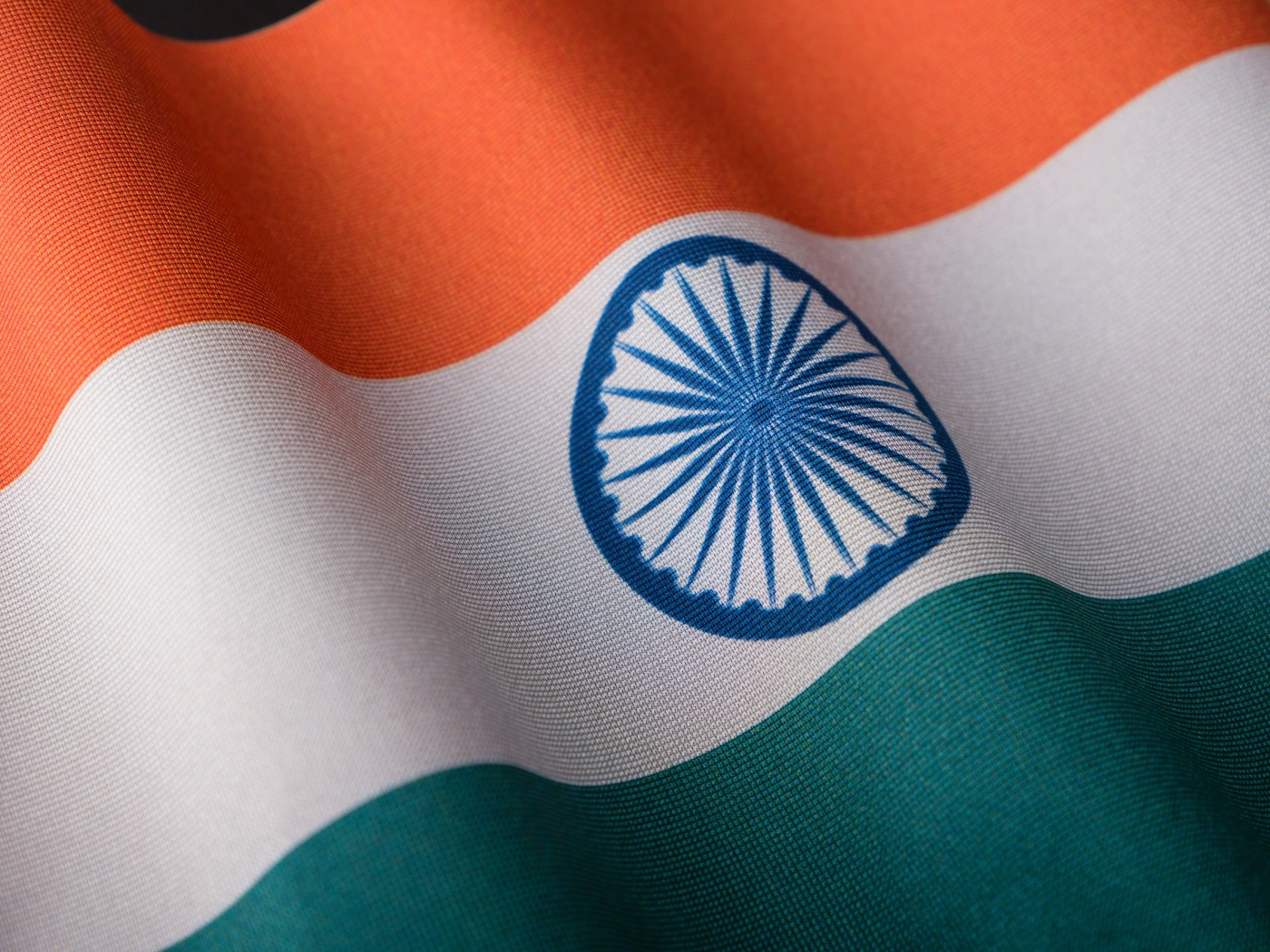
29 States of India and Their Languages: A Guide to India’s Linguistic Diversity
India is one of the most linguistically diverse nations on earth. Across its 29 states, hundreds of languages are spoken daily, shaping culture, identity, commerce, and education in ways that no single textbook can fully capture. Understanding this diversity is not just a geography lesson; it is a window into what makes India genuinely extraordinary.
This guide walks through all 29 states of India, the official languages associated with each, and what that linguistic landscape means for students, educators, and anyone curious about the country’s deep cultural roots.
Why India’s Linguistic Diversity Matters
India recognises 22 scheduled languages under the Eighth Schedule of the Constitution, but the actual number of spoken languages and dialects runs into the hundreds. The 2011 Census recorded over 19,500 mother tongues, which are grouped into broader language categories for administrative purposes.
This diversity is not incidental. It reflects thousands of years of migration, trade, conquest, and cultural exchange across the subcontinent. Each language carries literature, oral traditions, and ways of seeing the world that are irreplaceable.
For students preparing for competitive exams or pursuing higher education, understanding India’s linguistic map is also directly relevant. Many of the best pre university colleges in bangalore include General Knowledge components that test awareness of state languages, constitutional provisions, and cultural geography.
The 29 States of India and Their Official Languages
The table below lists all 29 states of India along with their primary official language or languages. Note that many states recognise additional languages for specific regions or administrative purposes.
State | Official Language(s) |
Andhra Pradesh | Telugu |
Arunachal Pradesh | English |
Assam | Assamese |
Bihar | Hindi, Urdu |
Chhattisgarh | Hindi |
Goa | Konkani |
Gujarat | Gujarati |
Haryana | Hindi |
Himachal Pradesh | Hindi |
Jharkhand | Hindi |
Karnataka | Kannada |
Kerala | Malayalam |
Madhya Pradesh | Hindi |
Maharashtra | Marathi |
Manipur | Meitei (Manipuri) |
Meghalaya | English, Khasi, Garo |
Mizoram | Mizo, English, Hindi |
Nagaland | English |
Odisha | Odia |
Punjab | Punjabi |
Rajasthan | Hindi |
Sikkim | Nepali, Sikkimese, Lepcha, English |
Tamil Nadu | Tamil |
Telangana | Telugu, Urdu |
Tripura | Bengali, Kokborok, English |
Uttar Pradesh | Hindi, Urdu |
Uttarakhand | Hindi |
West Bengal | Bengali |
Jammu and Kashmir* | Kashmiri, Dogri, Hindi, Urdu, English |
*Jammu and Kashmir was reorganised into a Union Territory in 2019 but is included here as it was one of the original 29 states.
Language Families of India: The Bigger Picture
India’s languages do not belong to a single family. They are spread across four major linguistic groups, which helps explain why a Kannada speaker and a Bengali speaker may find each other’s languages completely unintelligible.
Indo-Aryan Languages
The largest language family in India, Indo-Aryan languages are spoken predominantly in the north and east. Hindi, Bengali, Punjabi, Gujarati, Marathi, Odia, Assamese, and Urdu all belong to this group. They share Sanskrit as a classical ancestor.
Dravidian Languages
Spoken primarily in South India, Dravidian languages include Tamil, Telugu, Kannada, and Malayalam. These languages have their own independent classical traditions and are not derived from Sanskrit, though they have borrowed significantly from it over centuries.
Austro-Asiatic Languages
Languages like Santali, Mundari, and Ho belong to this family and are spoken by tribal communities primarily in eastern and central India. Santali was added to the Eighth Schedule in 2003.
Sino-Tibetan Languages
Spoken in the northeastern states and parts of the Himalayas, languages like Mizo, Bodo, and Manipuri (Meitei) belong to this group. Many northeastern states use English as their official language alongside local tongues due to the sheer variety of tribal dialects.
States With Multiple Official Languages
Several states in India recognise more than one official language, reflecting their ethnic and cultural complexity. Understanding these multilingual states is particularly useful for students appearing in civics and general knowledge assessments.
- Jammu and Kashmir: Kashmiri, Dogri, Hindi, Urdu, and English
- Sikkim: Nepali, Sikkimese (Bhutia), Lepcha, and English
- Meghalaya: English, Khasi, and Garo
- Tripura: Bengali, Kokborok, and English
- Mizoram: Mizo, English, and Hindi
- Uttar Pradesh: Hindi and Urdu
- Bihar: Hindi and Urdu
This kind of nuanced awareness of India’s constitutional and linguistic structure is exactly what students need when preparing for national entrance exams. The best pu colleges in bangalore recognise this and often integrate such topics into their broader humanities and social science frameworks.
Classical Languages of India
India has officially designated six languages as Classical Languages, recognising their antiquity, rich literary heritage, and significant contribution to other languages and knowledge systems.
- Tamil: One of the world’s oldest living languages with a literary tradition spanning over 2,000 years
- Sanskrit: The classical language of Hinduism, Buddhism, and Jainism, and the root of many modern Indian languages
- Telugu: Recognised for its extensive body of classical literature
- Kannada: Has inscriptions dating back to the 5th century and a rich literary tradition
- Malayalam: A relatively younger classical language with a deeply sophisticated literary heritage
- Odia: One of the earliest languages to be printed and has a significant body of classical texts
How Language Connects to Culture and Identity
A language is never just a communication tool. It carries proverbs, folk songs, oral histories, and philosophical traditions that exist nowhere else. When a language declines, all of that disappears with it.
For students, understanding the language of a region unlocks its culture in ways that English translations simply cannot replicate. A Tamil student reading Thirukkural in its original form, or a Punjabi student engaging with Waris Shah’s poetry, experiences something fundamentally different from reading a translation.
This cultural depth is something that leading institutions actively encourage. Among the top pu colleges in bangalore, there is a growing recognition that well-rounded students need cultural literacy alongside academic excellence, and that an understanding of India’s linguistic heritage is part of that.
Language and Education: What Students Should Know
India’s language policy in education follows a Three-Language Formula: students learn their mother tongue or regional language, Hindi, and English. In practice, the application varies considerably across states.
Southern states, particularly Karnataka and Tamil Nadu, have historically pushed back on Hindi imposition and maintained strong commitments to their regional languages. This has produced a generation of students who are confident in their state language, fluent in English, and functionally literate in Hindi.
For students planning to study outside their home state, familiarity with the local language significantly eases social integration and opens up additional academic and cultural resources.
Key Takeaways
- India has 29 states, each with one or more official languages drawn from four major language families
- The Constitution recognises 22 scheduled languages, while hundreds more are spoken across regions
- Six languages have been designated Classical Languages for their antiquity and literary significance
- Several states are officially multilingual, reflecting their complex ethnic and cultural composition
- Understanding India’s linguistic diversity is directly relevant for civics, history, and general knowledge components of competitive exams
- Language is inseparable from culture; engaging with regional languages unlocks literary and philosophical traditions unavailable in translation
Conclusion
India’s linguistic map is one of the most complex and fascinating in the world. The 29 states and their languages tell a story of migration, coexistence, and cultural vitality that stretches back millennia. For students, this is not just trivia; it is the foundation of understanding who Indians are and how the nation holds together across extraordinary diversity.
Whether you are revising for a competitive exam or simply curious about the country you live in, knowing your states and their languages is a worthwhile investment. If you are looking for an institution that treats general knowledge and cultural literacy as seriously as science and mathematics, exploring the puc colleges bangalore that offer broad, well-rounded curricula is a strong starting point.
Frequently Asked Questions
- How many official languages does India have?
India recognises 22 scheduled languages under the Eighth Schedule of the Constitution. Hindi and English serve as the two official languages of the Union government.
- Which state in India has the most official languages?
Sikkim recognises four official languages: Nepali, Sikkimese (Bhutia), Lepcha, and English. Jammu and Kashmir also officially recognises five languages.
- What are the four language families of India?
India’s languages are classified under four major families: Indo-Aryan (spoken largely in the north), Dravidian (predominantly in the south), Austro-Asiatic (eastern and central tribal regions), and Sino-Tibetan (northeastern states and the Himalayas).
- Which is the oldest language in India?
Tamil is widely regarded as one of the oldest living languages in the world, with a continuous literary tradition spanning over 2,000 years. Sanskrit, while ancient, is no longer spoken as a native language.
- What is the Three-Language Formula in Indian education?
The Three-Language Formula recommends that students learn their regional or mother tongue language, Hindi, and English. Its implementation varies significantly across different states.
- Why does Arunachal Pradesh have English as its official language?
Arunachal Pradesh is home to a large number of tribal communities, each with its own dialect. English serves as a neutral common language that does not privilege any single community over others.
- Are any Indian languages endangered?
Yes. Many tribal and regional languages across India are classified as endangered, with only a few thousand or even a few hundred speakers remaining. Efforts are underway through government initiatives and linguistic research to document and preserve them.
- What is the difference between a language and a dialect in the Indian context?
The distinction is often political as much as linguistic. Languages that have official recognition, a written script, and an established literature tend to be classified as languages. Dialects are often regional variants of a recognised language, though speakers of these variants sometimes argue for separate recognition.